Image Segmentation Services
Segmentation quality lives or dies at the boundary. iMerit guarantees the boundary is right. We design the segmentation workflow, apply two-stage QA at the pixel level, and validate against clinician-reviewed ground truth for medical programs. You don’t inherit a boundary problem. We own it.

HOW iMERIT DELIVERS PRODUCTION-READY SEGMENTATION DATA
BUILT FOR PRODUCTION
PIXEL-LEVEL PRECISION. BOUNDARY QA WE OWN. CLINICAL-GRADE WHERE IT COUNTS.
BESPOKE SEGMENTATION WORKFLOW
ACTIVE LEARNING EDGE CASE FLAGGING
PIXEL-LEVEL BOUNDARY QA
CLINICAL FORMAT SUPPORT
FLEXIBLE DELIVERY
SEGMENTATION CAPABILITIES

SEMANTIC SEGMENTATION

INSTANCE SEGMENTATION

PANOPTIC SEGMENTATION
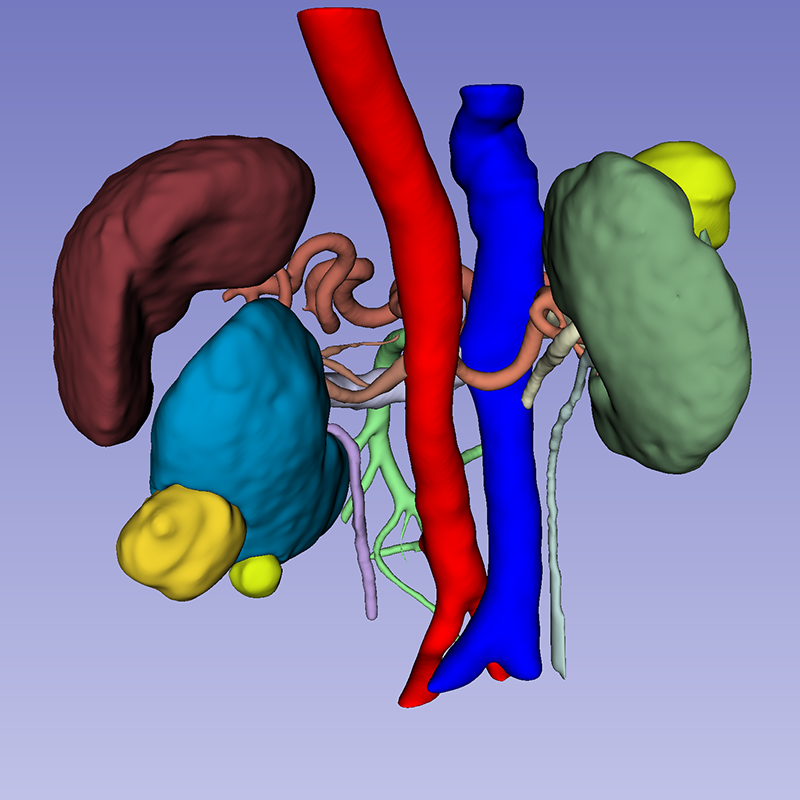
MEDICAL IMAGE SEGMENTATION
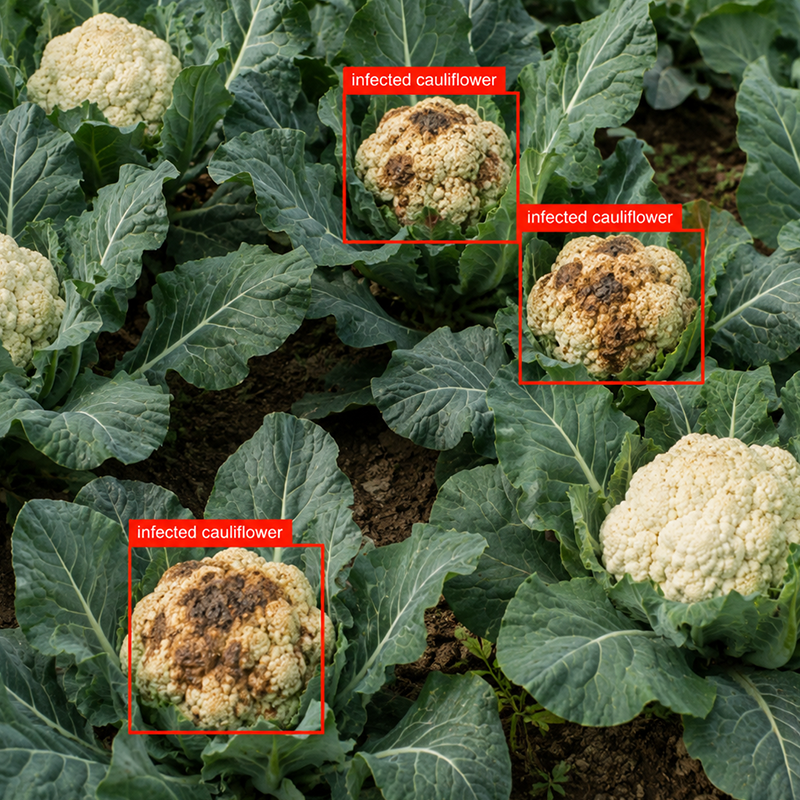
POLYGON & BOUNDARY ANNOTATION
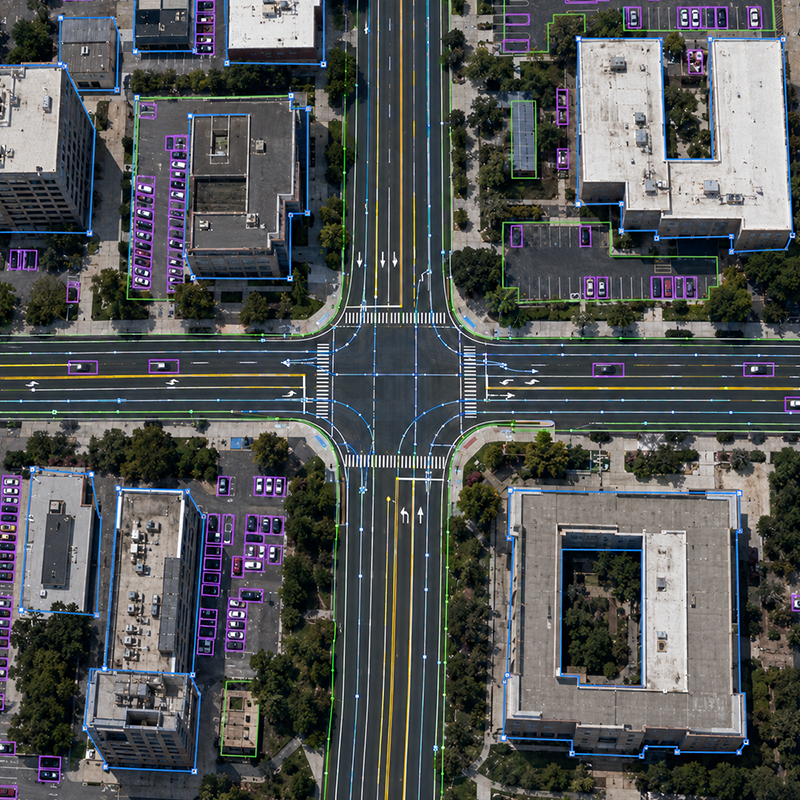
SATELLITE & AERIAL SEGMENTATION
CASE STUDY
A well-funded healthcare AI startup required HIPAA-compliant 3D radiological segmentation for FDA benchmarking. iMerit provided expert 3D radiological segmentation combining specialized annotators and clinical expert review. Organ and lesion boundary delineation was validated against clinician-reviewed ground truth across DICOM datasets, meeting accuracy standards required for regulatory submission.
98.42 %
Accuracy
4.5 Million +
Images Processed
40 +
QUALITY LIVES OR DIES AT THE BOUNDARY.
We guarantee the boundary is right. Not just drawn.
PIXEL-LEVEL BOUNDARY VALIDATION RULES

CLINICAL EXPERT REVIEW FOR MEDICAL PROGRAMS

ACTIVE LEARNING EDGE CASE ROUTING
Ambiguous boundaries are automatically flagged and routed to senior annotators. The hardest segmentation decisions receive the most scrutiny. Difficult cases don’t get averaged away.
STRUCTURED PILOT BEFORE SCALE
BY THE NUMBERS
Images and videos labeled across computer vision programs
Full-time domain-trained annotators globally
ISO 27001
SOC 2 Type II · HIPAA · GDPR compliance
Production + QA annotation workflow on every segmentation program
INDUSTRY VERTICALS
Built for every domain where pixel precision determines model performance.


Organ delineation, tumor and lesion boundary annotation, pathology slide segmentation, and DICOM-format labeling with clinical expert review.
GEOSPATIAL & SATELLITE
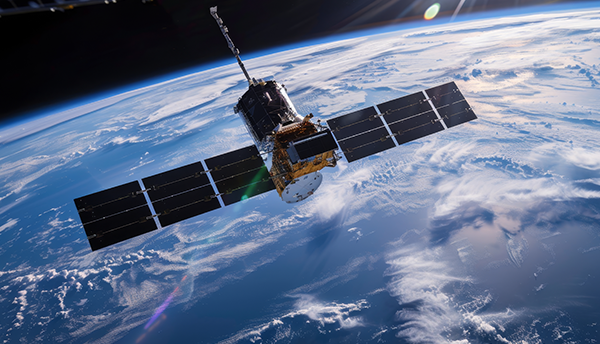
Land use classification, infrastructure segmentation, vegetation and crop mapping, flood detection, and change analysis across aerial imagery.

Workspace segmentation, surface material classification, object boundary delineation, and scene understanding annotation for manipulation and navigation.
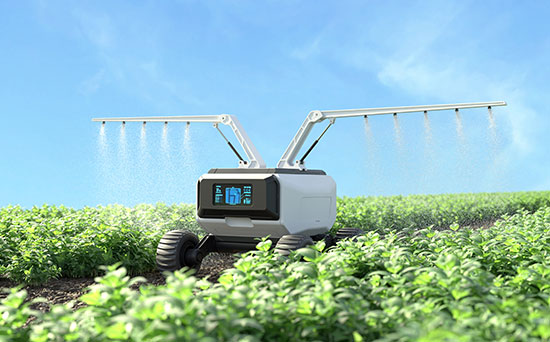
Crop row segmentation, weed delineation, canopy mapping, plant disease boundary annotation, and field feature labeling for precision agriculture.

Industry inspection
Defect boundary annotation, crack and corrosion segmentation, weld quality labeling, and anomaly delineation across pipeline and manufacturing programs.

Product boundary segmentation for background removal, shelf intelligence, visual search, and catalog automation at the volume e-commerce AI requires.

RESEARCH & FOUNDATION MODELS
Large-scale panoptic segmentation datasets for benchmark creation, foundation model training, and sim-to-real transfer programs.
Frequently Asked Questions
What types of image segmentation does iMerit support?
iMerit supports semantic segmentation, instance segmentation, and panoptic segmentation across any image domain or taxonomy. We also provide polygon and boundary annotation for objects with complex or irregular contours, medical image segmentation (DICOM, NRRD, NIfTI), and satellite and aerial imagery segmentation. Every segmentation type is supported with custom QA rules calibrated to your pixel precision requirements.
How do you ensure segmentation quality at the pixel level?
Quality on segmentation programs is enforced structurally, not left to annotator judgment. We apply custom boundary validation rules that catch class violations, missed instances, and label inconsistencies at the pixel level before export. Production and QA are run as separate stages by separate teams. For medical programs, radiologists and clinical specialists validate organ boundaries, tumor delineations, and lesion margins at the QA stage.
Can iMerit handle medical image segmentation with clinical-grade accuracy?
Yes. iMerit supports DICOM, NRRD, and NIfTI formats natively. Medical segmentation programs include clinical expert review at the QA stage — radiologists and pathologists validate annotation accuracy, not just annotators. We are HIPAA compliant with full audit trails and strict data access controls for regulated healthcare programs.
What is the difference between semantic and instance segmentation, and can iMerit provide both?
Semantic segmentation assigns a class label to every pixel in an image (e.g. road, sky, building) but does not differentiate between separate instances of the same class. Instance segmentation gives each individual object a unique boundary mask and ID — distinguishing car A from car B, not just "car." Panoptic segmentation combines both. iMerit delivers all three types, with workflows designed to your specific use case and acceptance criteria.
How do you handle edge cases like overlapping objects or ambiguous boundaries?
Ambiguous boundaries and overlapping objects are automatically flagged during annotation and routed to senior annotators for review. We do not average away difficult cases — the hardest segmentation decisions receive the most scrutiny. Edge cases are documented, reviewed with the client where needed, and resolved consistently before delivery.
Can you work inside our existing tools, or do we need to use Ango Hub?
We can work directly in your annotation tools or run projects on Ango Hub, iMerit's purpose-built annotation platform. Labeled data is delivered into your training or evaluation pipeline via API or webhook in your preferred format — COCO, YOLO, Pascal VOC, or custom. No integration lift required on your end.
How quickly can you start a segmentation pilot, and what does onboarding look like?
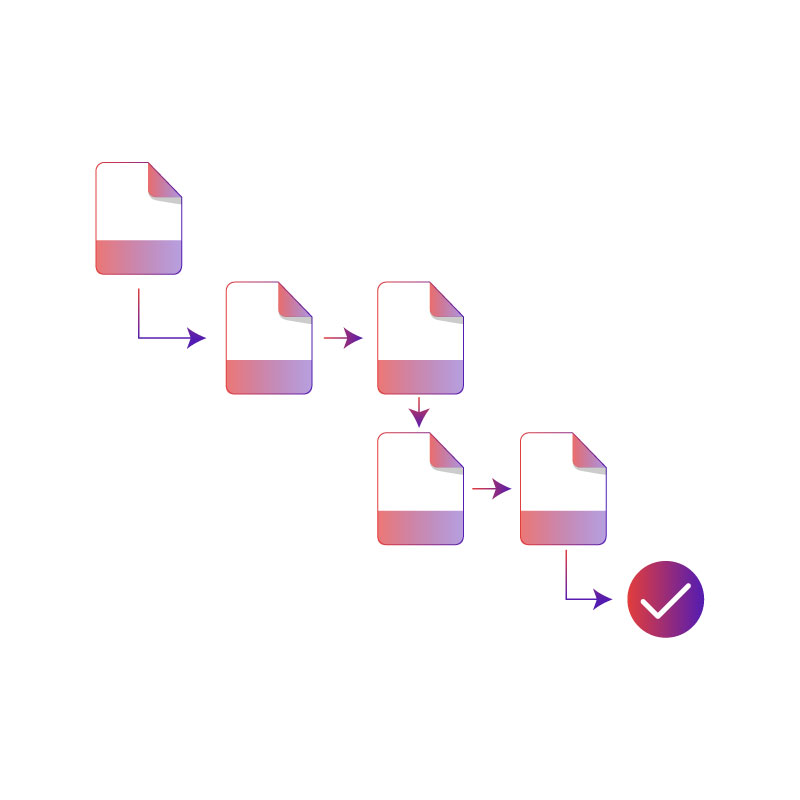
We begin with a scope and taxonomy alignment to define class hierarchy, boundary rules, and acceptance criteria. We then set up the annotation workflow, train the team on your taxonomy, and run a structured pilot batch to calibrate quality before scaling to production. Most programs can begin a pilot within one to two weeks of project kick-off.
Which industries does iMerit support for image segmentation?
iMerit delivers image segmentation across autonomous vehicles, medical AI (radiology, pathology, surgical AI), robotics, geospatial and satellite imagery, agriculture (crop and weed detection, plant health), industrial inspection (defect detection, surface analysis), and retail. Domain-specific teams are staffed and trained before any client project begins.