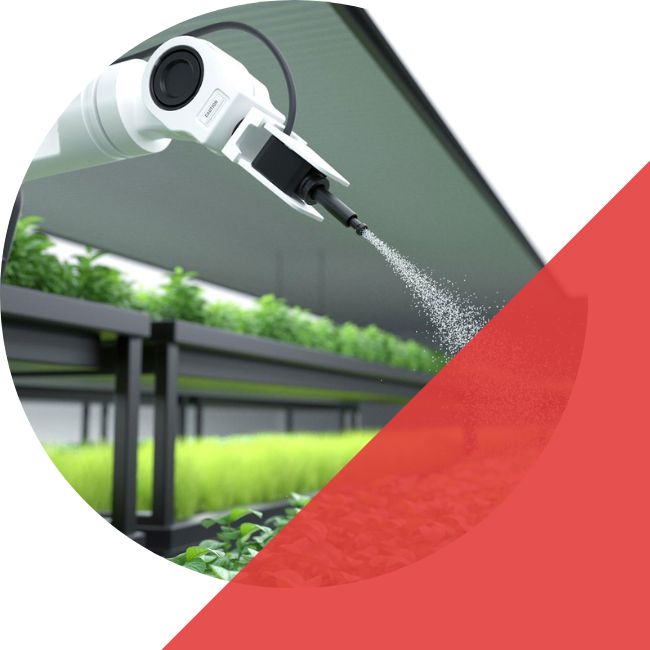
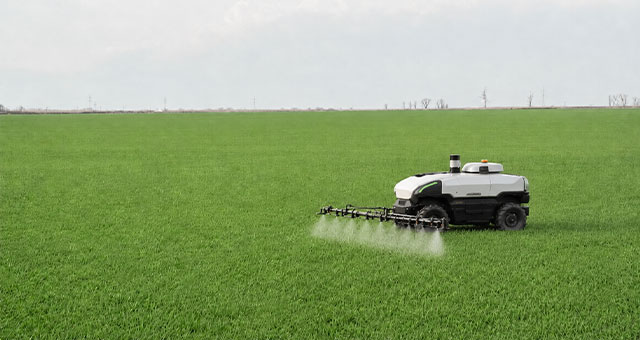
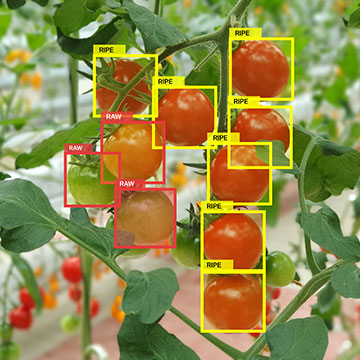
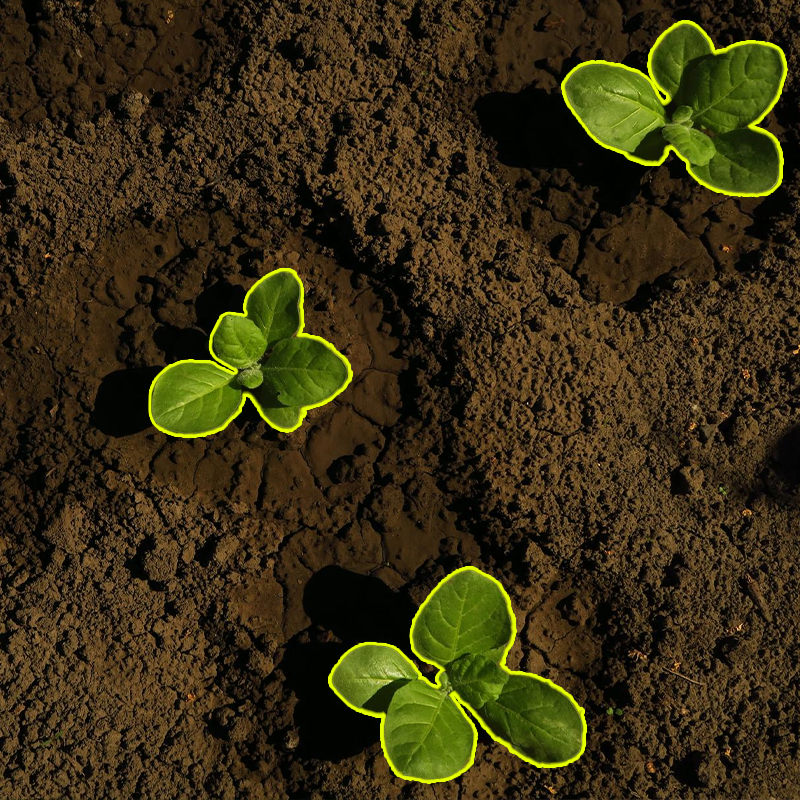
We label the field intelligence that powers smarter, more targeted application decisions. From weed type to growth stage to no-spray zones, every label is built for real treatment logic.
Precision spraying systems need to know exactly what they are looking at: crop vs. weed, healthy vs. stressed, active stand vs. bare soil. We produce annotation depth that makes those distinctions possible at scale, in the field, at speed.
Use Cases
CROP AND WEED IDENTIFICATION
We annotate target plants against unwanted vegetation across mixed field conditions, with fine class distinction built for spray targeting logic.
CROP GROWTH STAGE ANALYSIS
Stage-level labeling across early, mid, and mature phases so spray systems can factor plant vulnerability and treatment sensitivity into every decision.
WEED CATEGORIZATION
Species and class-level annotation for weeds because broadleaf, grass, and sedge each demand a different treatment response.
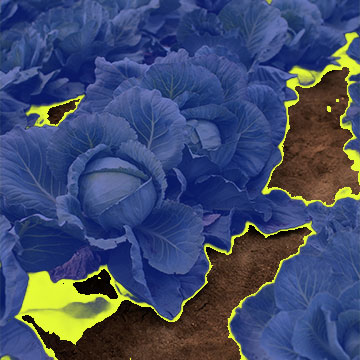
FALLOW GROUND IDENTIFICATION
We label bare soil and low-density zones so models skip application where it isn’t needed, reducing waste and protecting yield economics.
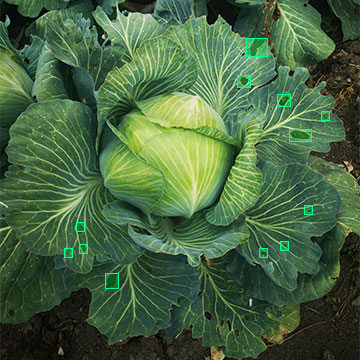
CROP DAMAGE IDENTIFICATION
We label disease, pest damage, and stress indicators so models detect treatment-sensitive zones before they become yield losses.
VEGETABLE ANNOTATION
High-precision labeling across irregular crop shapes, row spacings, and growth habits common in specialty horticulture operations.
HOW ANNOTATION IMPROVES SPRAY INTELLIGENCE
Spray accuracy doesn’t start with the nozzle. It starts with what the model was trained to see.
FIND THE RIGHT TARGET
Accurate annotation helps models differentiate crops, weed species, and non-target zones. Better class separation at training time means fewer misclassifications in the field.
READ FIELD VARIABILITY
Growth stage labels, condition tags, and damage markers help spray systems adapt to what’s actually in the field, not just what the last prescription map predicted.
REDUCE WASTE, IMPROVE COVERAGE
Better-trained models apply where needed and skip where not, reducing chemical spend, limiting environmental load, and protecting non-target biology.
Class-level pixel labeling for crops, weeds, soil, and background. Essential for scene understanding in dense canopies where object boundaries overlap.
INSTANCE SEGMENTATION
Plant-level separation in overlapping scenes so each crop and weed is its own annotated object, not a blended class region.
DAMAGE AND CONDITION TAGGING
Visible stress, pathogen signatures, and mechanical damage labeled so models build a richer picture of field health and treatment urgency.
BOUNDING BOX ANNOTATION
Reliable object-level labeling for crop detection, weed mapping, and damage flagging. Fast and scalable for large datasets.
POLYGON ANNOTATION
Precise boundary tracing for irregular plant morphologies and multi-layer vegetation where rectangular labels fall short.
GROWTH STAGE LABELING
BBCH-scale-aware annotation for early, mid, and late crop stages, enabling stage-gated spray logic and treatment timing models.
WHY AGRICULTURE AI TEAMS CHOOSE IMERIT
Generic annotation pipelines aren’t built for agronomic nuance. We bring annotators who understand growth stages, weed pressures, and no-spray zone logic, translating field reality into model-ready labels that support real spray decisions.
Deep expertise in crop and weed annotation across major commodity and speciality crops.
Growth stage and condition-based labeling aligned with treatment decision frameworks.
High-quality segmentation at plant level for individual spray targeting.
Scalable workflows for large drone, ground vehicle, and satellite imagery datasets.
Human-in-the-loop QA for difficult edge cases including novel weed types, mixed canopy, damaged tissue.
“We could not efficiently annotate this imagery ourselves and needed help scaling our data pipeline. With iMerit’s expert annotators in place, we scaled fast and delivered results to customers in record time.”
iMerit helped an agricultural AI team improve crop and weed detection by delivering expert image annotation across complex field imagery. The team annotated and reviewed millions of images across 40+ crop types, handling challenges like overlapping vegetation, variable lighting, and visually similar crops and weeds, while maintaining 98.42% accuracy to improve model performance in real-world farm conditions.